
For years, the Dangote Refinery was something Nigerians could mostly watch from the outside.
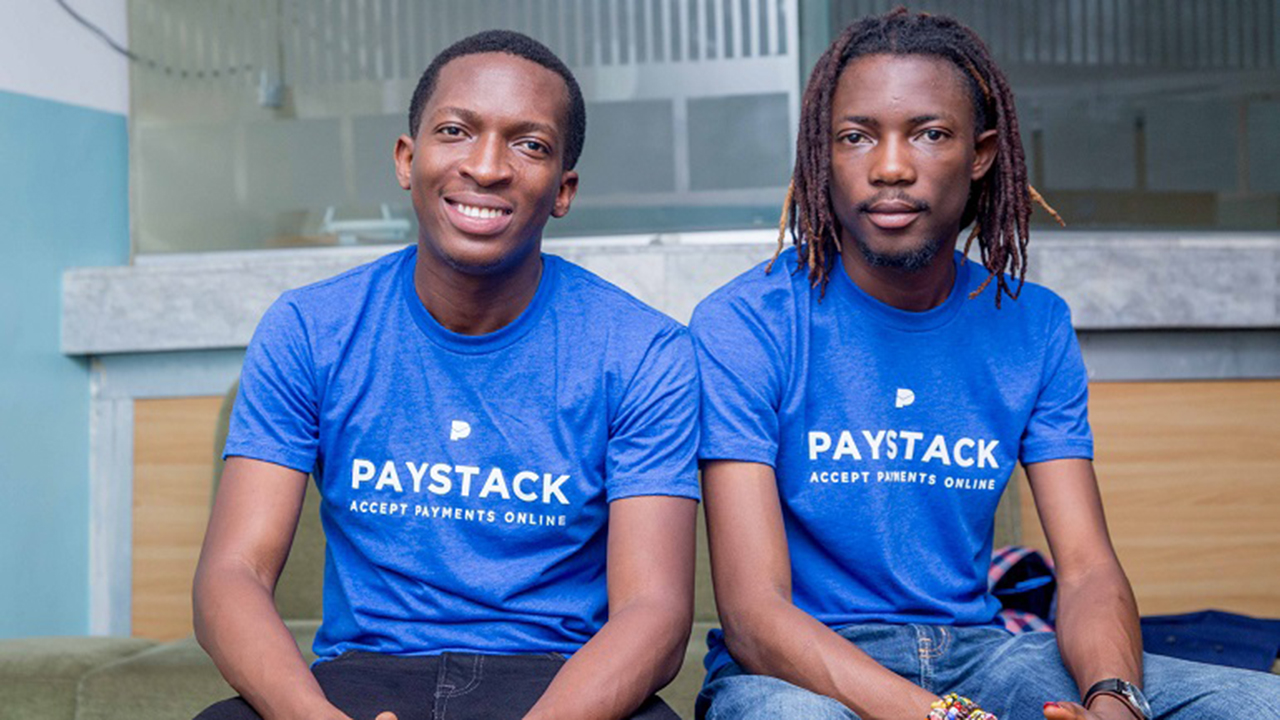 Paystack, the Nigerian payments company acquired by Stripe, has reorganised its operations under a new holding company called The Stack Group (TSG).
Under the new structure, TSG now houses Paystack’s core merchant payments business alongside newer ventures, including its consumer payments app Zap, Paystack Microfinance Bank (MFB), and a venture studio. The move signals a more deliberate expansion beyond payments into consumer finance, banking, and emerging technologies.
Why a Holding Company — and Why Now
Although Stripe’s $200 million acquisition made Paystack a wholly owned subsidiary, TSG introduces a more layered ownership structure. The holding company is jointly owned by Paystack’s CEO, Shola Akinlade, Stripe, and existing Paystack employees, known internally as “Stacks.”
This structure is designed to reward long-term builders while maintaining Stripe’s global backing. It also coincides with a major milestone: group-wide profitability and positive monthly cash flow, after Paystack increased payment volumes more than twelvefold since the acquisition.
For Afroform founders watching closely, this is a key lesson: companies often restructure not when they are struggling, but when they have the financial strength to think long-term.
From Single Product to Multi-Brand Group
For most of its life, Paystack focused on one core mission: helping businesses accept payments easily. Over the past year, that has changed.
With the launch of Zap and Paystack MFB, the company has expanded into consumer payments and banking, pursuing greater control over money flows and opening new revenue streams. TSG formalises this evolution by separating Paystack’s merchant payments engine from its newer, risk-diverse businesses.
This separation allows:
- Paystack to remain a focused merchant payments company
- Zap and Paystack MFB to pursue independent roadmaps
- Regulators and partners to engage with each business clearly
- The group to experiment without risking its flagship brand
In simple terms: the holding company protects the core while enabling innovation.
Governance, Risk, and Regulation
Payments, banking, and consumer financial products operate under very different regulatory and risk frameworks. By housing them under a holding company, licences, compliance, and liabilities can be ring-fenced.
This means regulatory issues affecting one business do not automatically spill over to others — a critical advantage in tightly regulated markets like Nigeria’s financial sector.
Each subsidiary will develop leadership structures suited to its maturity, while TSG provides shared governance, culture, and long-term direction. The group will also maintain a separate board at the holding company level, consistent with best practices in corporate governance.
A Decade of Growth, Now Structured for the Future
Founded in 2016, Paystack quickly became one of Nigeria’s most influential startups, achieving early product-market fit and delivering one of Africa’s most significant tech exits within four years.
Since then, the company has scaled across multiple African countries, processing trillions of naira monthly. That scale — and the profitability behind it — has given Paystack the balance sheet strength to explore new ideas without weakening its core business.
One of those ideas is TSG Labs, the group’s venture studio, which focuses on building new products using emerging technologies. While fintech remains central, the scope is broader: solving critical digital infrastructure problems across Africa.
A Familiar Path for African Tech Leaders
Paystack now joins Nigerian technology companies like Moniepoint and Interswitch that have adopted holding company structures to reflect multi-business ambitions.
For founders, the takeaway is clear: as companies grow beyond one product or one market, structure becomes strategy.
TSG gives Paystack room to build, acquire, or shut down experiments without endangering the business that made it successful in the first place.
From the blog
.jpg)

.jpg)
technology, African Tech, MTN Nigeria, Telecoms, Business Growth, Data Consumption, Telecommunications, Mobile Internet
MTN Nigeria Has More Customers Than Ever. Now It Needs to Make Them Spend More
MTN Nigeria is growing at an impressive pace. Its customer base is expanding, revenue is rising, and data consumption continues to climb.
7 mins read